Audience and Task Planning
Identify the questions people bring to the website, the information they need, and the routes they use today. Connect those needs with organizational goals and publishing responsibilities.


Content and Information Architecture
Turn a large collection of pages, documents, and services into a website people can navigate. Rivendell connects content planning with information architecture, so the structure supports the work your audiences need to do.
Discuss Your ContentStructure and Content, Together
A public-service website often serves people with very different questions. Applicants, residents, partners, staff, and the public should not need to understand your internal organization before they can find useful information.
We review what you have, identify what people need, and shape a manageable structure for pages, documents, and recurring content. The result is a practical plan for both the public-facing experience and the people maintaining it.
Where We Help
The scope can cover a new website, a difficult section, or a content migration. We agree on the audiences, priority tasks, and deliverables before work begins.
Identify the questions people bring to the website, the information they need, and the routes they use today. Connect those needs with organizational goals and publishing responsibilities.
Group related information, define page relationships, and develop navigation labels. Review important journeys before the structure is handed to design and development.
Define the purpose, key messages, and calls to action for important pages. Organize copy around useful headings and help teams identify gaps, duplication, and outdated material.
Map existing content to its proposed destination and document what should be retained, revised, combined, or retired. Establish ownership and a maintainable publishing approach.
A Clear Working Process
A shared structure gives content, design, and development teams a common reference rather than three different interpretations.
Review the audiences, tasks, and existing content.
Build the sitemap and define navigation routes.
Set page purposes, content needs, and ownership.
Check important journeys with the project team.
Give staff a structure they can keep current.
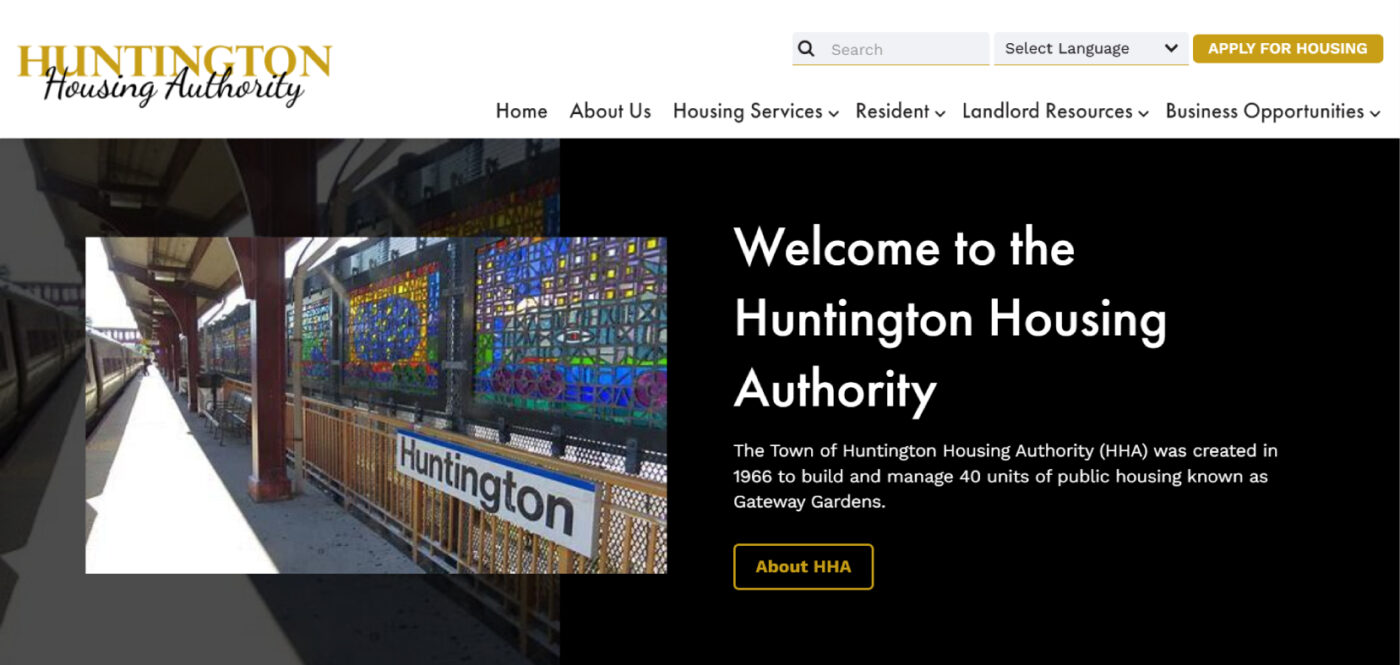
Huntington Housing Authority / Project Archive
The Work in Context
The Town of Huntington Housing Authority needed clearly defined sections for housing information, resident and landlord resources, and business opportunities.
Rivendell worked with the project team on the website transition and content organization, using information supplied by authority staff. The example shows how distinct audience needs shape a public-service website.
A Rivendell engagement delivered in collaboration with the development team.
Explore the Huntington EngagementClear Scope. Practical Delivery.
We define which sections, content types, and migration decisions are included. A sitemap does not replace detailed content review, and a content inventory does not establish that every item is current or approved.
Your team remains the authority on policy, program details, and final publication. We help turn that knowledge into a structure the website and its editors can use.
Start With Your Current Situation
Bring the current website, a proposed sitemap, or a section that is difficult to manage. We can help define a more useful structure.
Discuss Your Content